
The Exchange: Joe Rabcow — Nostalgic, static, and the spaces in between
Joe Rabcow is a multidisciplinary artist whose work moves between photography, street art, and emerging sculptural and digital forms — all rooted in a deep fascination with nostalgia, identity, and the physical presence of making. What began as documenting the streets gradually evolved into something more personal: a need to participate, to leave something behind, and to become part of the ever-changing landscape he once observed from the outside.
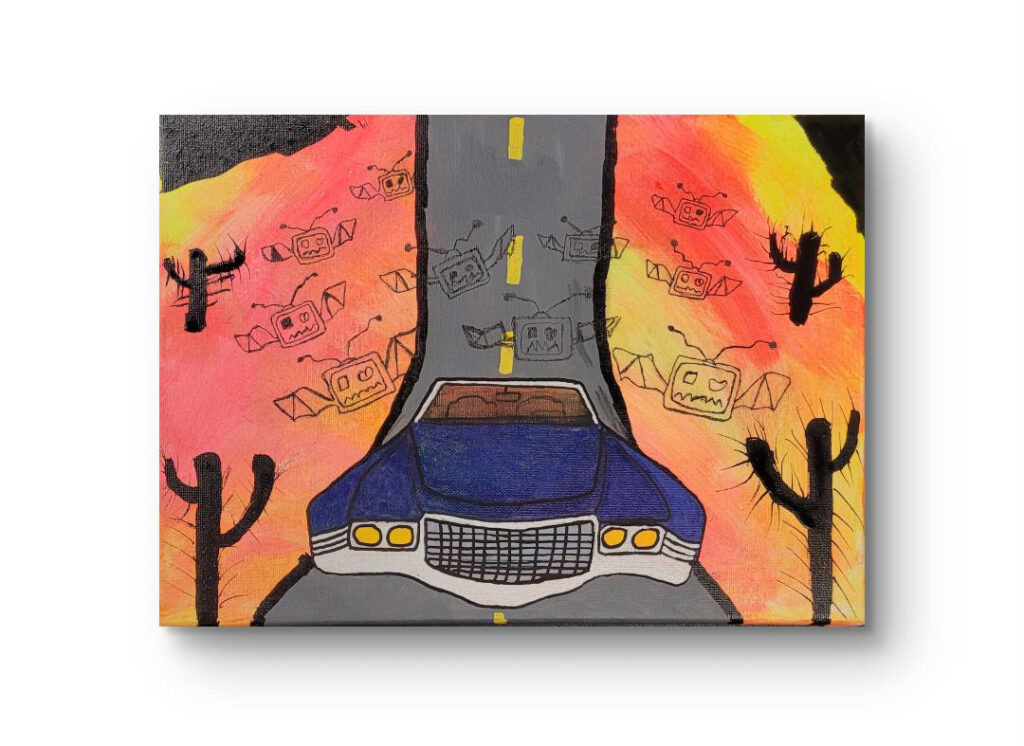
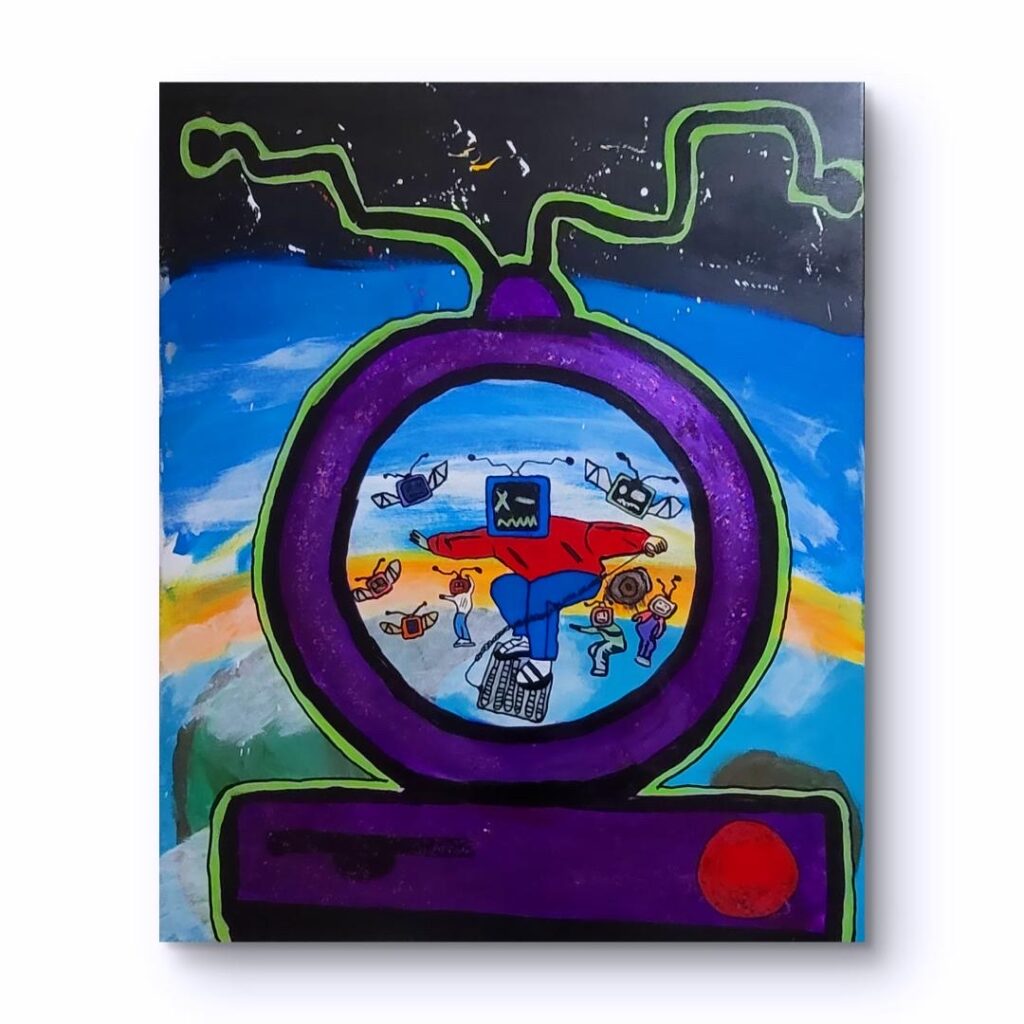
At the center of Joe’s work is a recurring visual language — most notably his TV head characters — which act as relics of analog technology, carrying echoes of memory, media, and disconnection. His practice lives in the tension between past and present, permanence and disappearance, spontaneity and intention.
In this Exchange, Joe reflects on the shift from observer to creator, the freedom of making work without a fixed audience, and the evolving world he’s building through street, sculpture, and digital space.
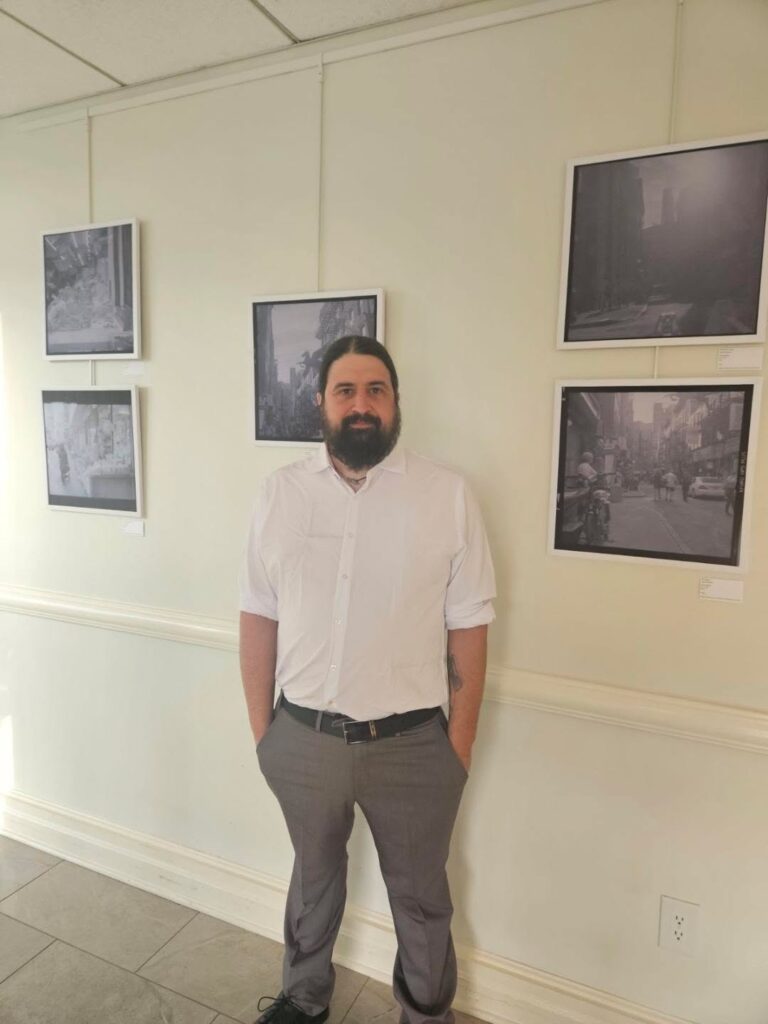
Q. What was your gateway into street art? Do you remember the first time you put something up in public?
A. My gateway into street art actually started through photography. I’ve always been drawn to documenting things—especially things that feel raw, overlooked, or temporary. That eventually led me to photographing street art, and then deeper into the culture itself.
But the real shift happened through my wife. Going to her shows, meeting artists, being immersed in that world—it cracked something open for me. It stopped being something I just documented and became something I wanted to be part of.
Watching Stickermovie was another turning point. It made the whole sticker scene feel alive and accessible in a different way. It felt like an invitation.
The first time I put something up, I remember feeling this mix of adrenaline and disbelief—like, “Oh… I’m part of this now.”
Q. What drew you to the street specifically, instead of keeping your work in a studio or private space?
A. The street feels honest. There’s no filter, no gatekeeping. It’s immediate, it’s for everyone, and it exists in real time.
Coming from photography, especially shooting in the streets, I was already used to that environment. Street art just felt like the natural evolution—from capturing moments to creating them.
Also, I’ve always loved analog processes—things you can touch, place, leave behind. Stickers, paste-ups… they feel physical and intentional in a way digital alone doesn’t.
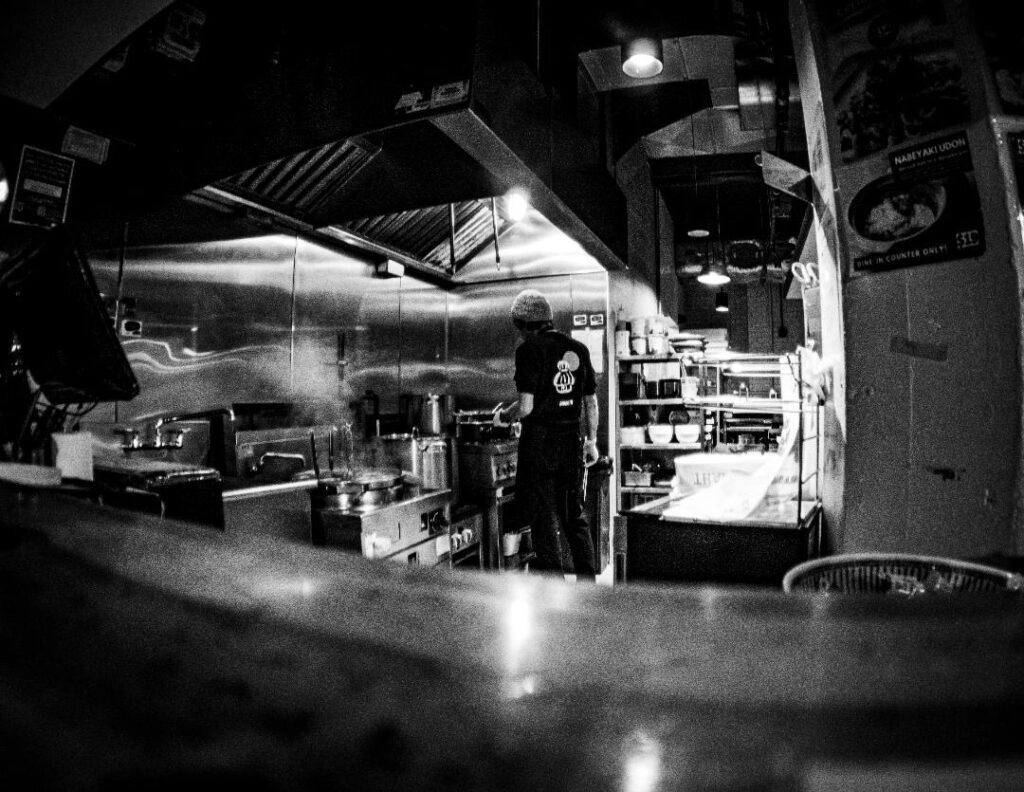
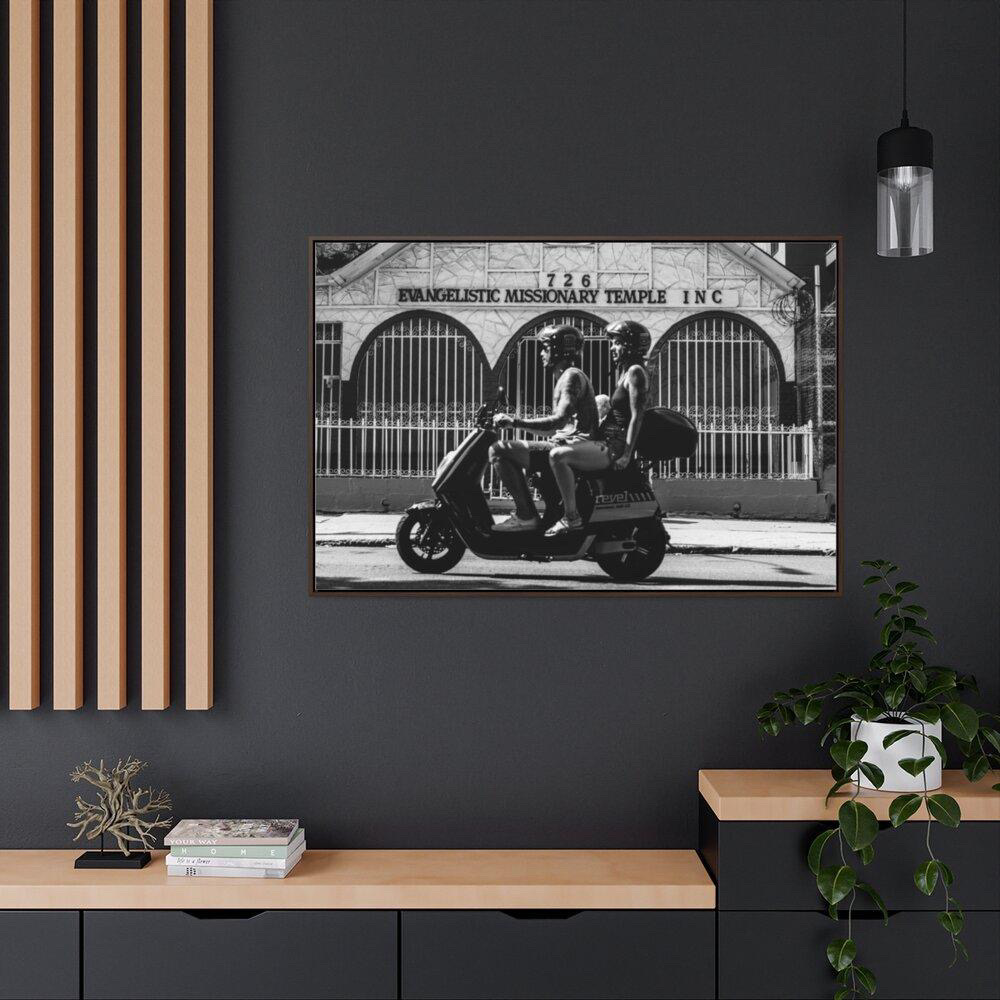
Q. How would you describe your work to someone who has never encountered it before?
A. I’d say it’s a mix of nostalgia, decay, and identity.
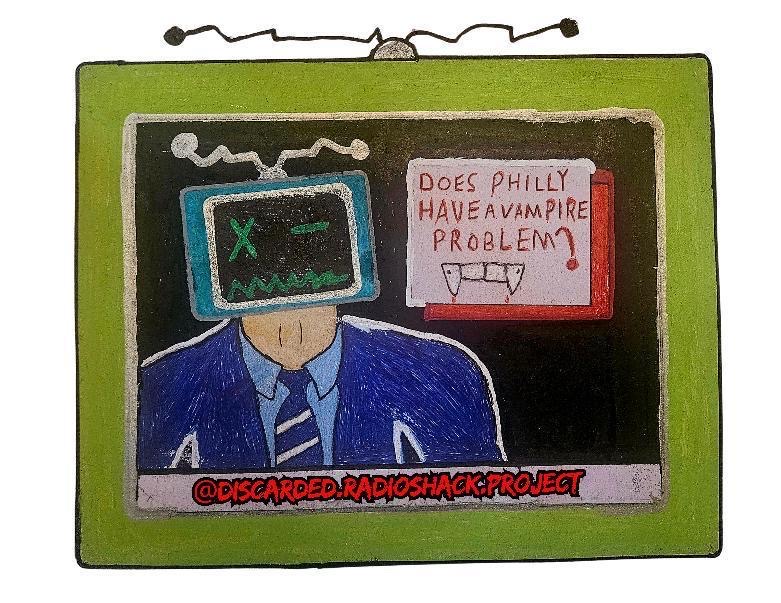
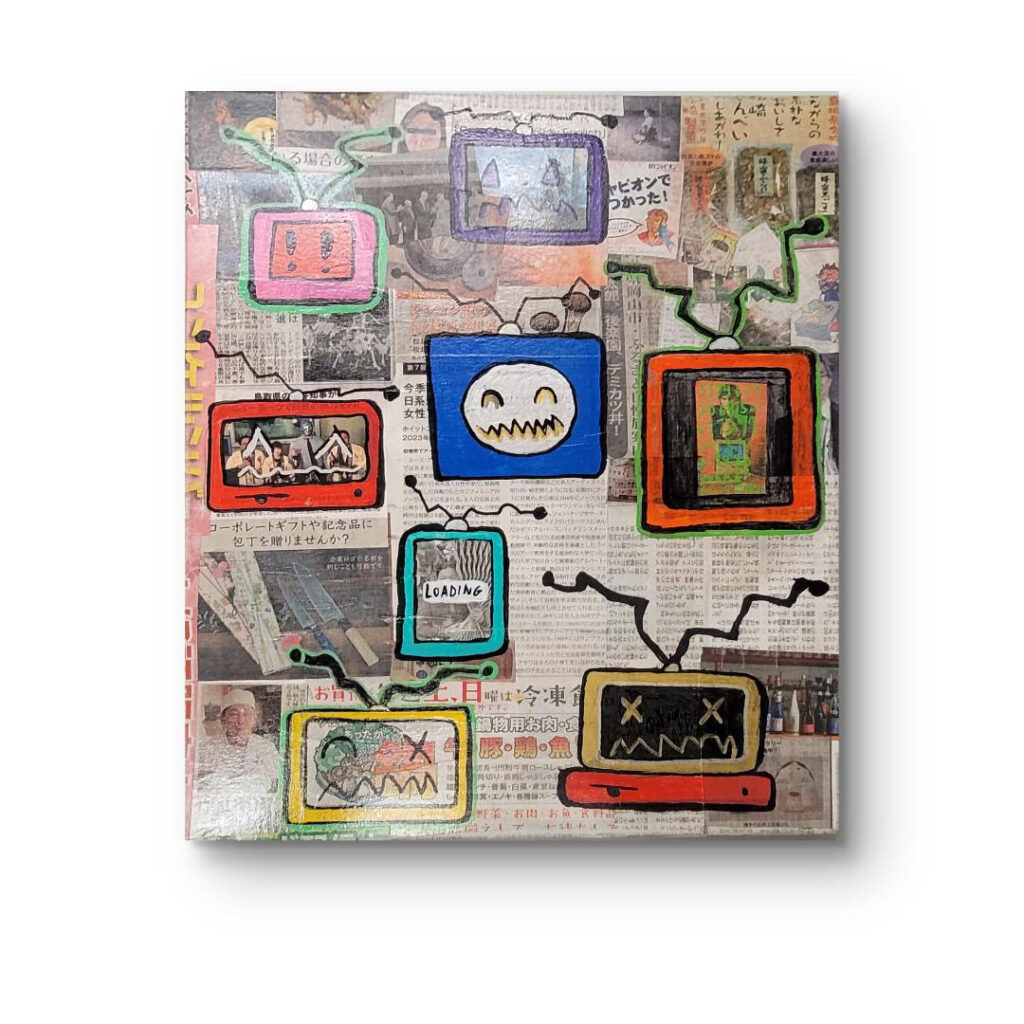
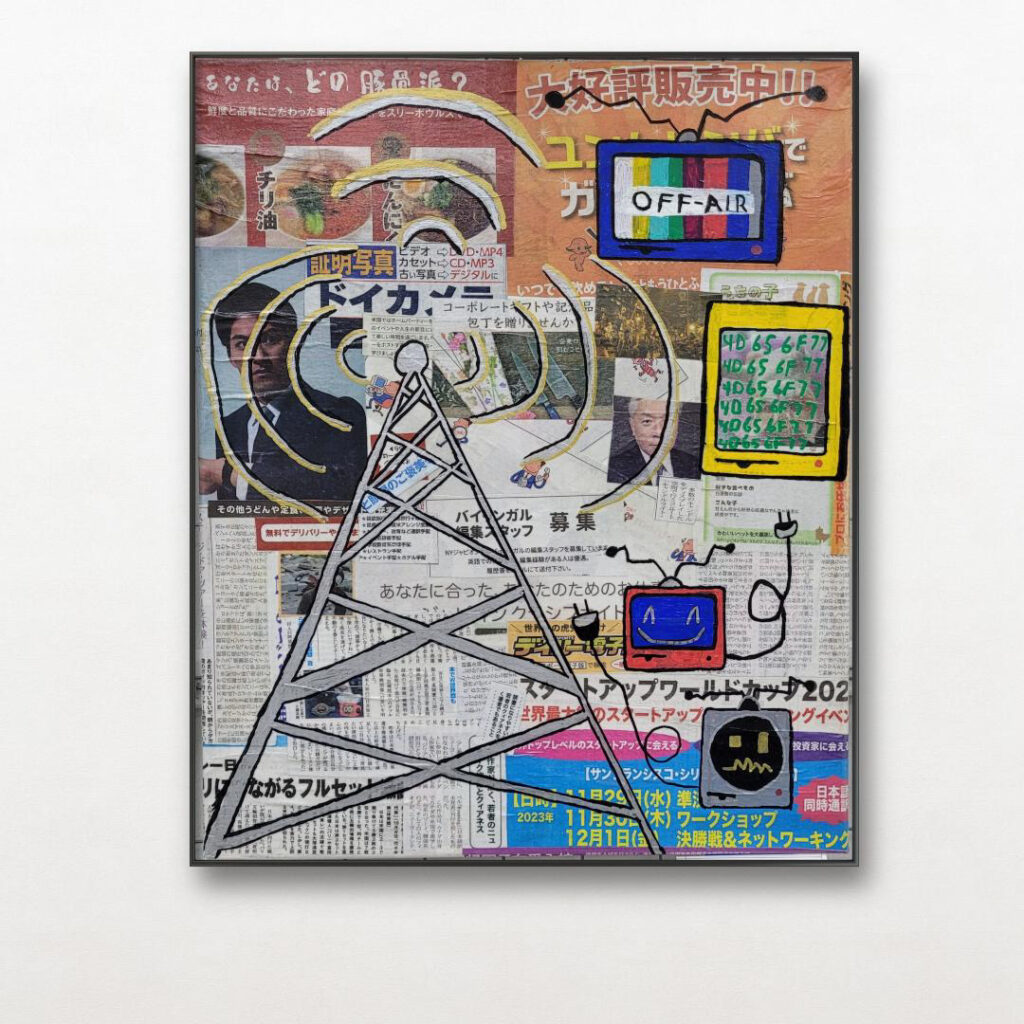
A lot of my work centers around these TV head characters—kind of like relics of outdated technology that still have something to say. They’re playful, but also a little unsettling. They exist somewhere between past and present.
There’s definitely an influence of analog tech—old radios, screens, static—but reimagined through a street lens.
Q. What does a typical “getting up” session look like for you — are you spontaneous, planned, ritualistic, or something else entirely?
A. It’s a mix.
Sometimes it’s spontaneous—just being out, seeing a spot, and feeling like it’s the right moment.
Other times, especially if I’m with my wife, it becomes more of a shared ritual. We’ll go out with intention, hit certain neighborhoods, bring a stack of work, and just explore.
There’s always that balance between planning and letting the city guide you.
Q. How does the environment — the wall, the neighborhood, the moment — influence what you create?
A. The texture of the wall, what’s already there, the energy of the block—it all plays into it. Sometimes I’ll bring something out and realize it doesn’t belong in that space, and I’ll hold onto it for later.
Other times, the environment enhances the piece in ways I didn’t expect. The city becomes part of the artwork.
Q. Is there a symbol, character, or message that keeps reappearing in your work, even unintentionally?
A. Definitely the TV head.
It started almost as an experiment, but it keeps coming back. I think it represents a lot—media, identity, disconnection, nostalgia.
It’s like this stand-in for how we process the world, especially in a time where everything is mediated through screens.
Q. Street art exists in a space between visibility and disappearance. How do you relate to the temporary nature of the work?
A. I think that’s part of what makes it powerful.
Coming from photography, I’m used to capturing fleeting moments. Street art feels similar—you create something knowing it might not last, but that doesn’t make it any less meaningful.
If anything, it makes it more intentional.
Q. How does it feel to leave something behind without knowing who will see it, or how long it will last?
A. It’s kind of freeing.
You’re not creating for a specific audience or outcome. You’re just putting something into the world and letting it exist on its own terms.
There’s something really beautiful about that uncertainty.
Q. Has street art changed the way you move through the world when you’re not making it?
A. Absolutely.
I can’t walk anywhere the same way anymore. I’m constantly scanning—looking at walls, textures, placements, other artists’ work.
The city feels more layered now. Like there’s always something happening just beneath the surface.
Q. What has street art taught you about yourself that you didn’t expect?
A. That I actually needed this kind of expression.
I didn’t realize how much I wanted to create, not just document. It’s pushed me out of my comfort zone and made me more confident in putting my voice out there.
Q. Where do you see your work evolving next — on the street, off the street, or somewhere in between?
A. Definitely somewhere in between.
Being part of Step Outside Show’s the Hole in the Wall show at 112 South St—and actually selling a 3D piece—shifted something for me. It opened up new possibilities.
Now I’m exploring more 3D work, usable sculptures, and digital art—animation, even video game concepts. But it’s all still rooted in the same visual language.
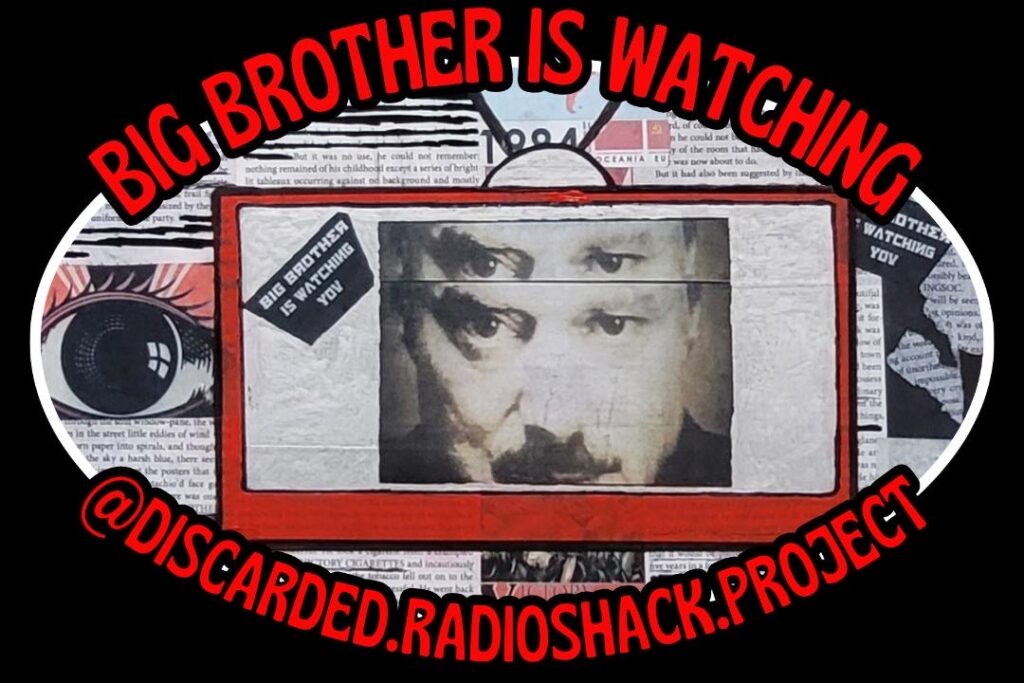
Eventually, I want to build a full experience—a solo show where people can step inside the world of Discarded Radioshack Project.
Q. What is something about your creative life that you’re still figuring out?
A. Balance.
Balancing analog and digital. Street and gallery. Spontaneity and intention.
And also just trusting the process—letting things evolve naturally without feeling like I have to define everything too quickly.
I think I’m still learning what this all wants to become.
Listen in as Joe and I talk about, coming to art later in life, exploring different mediums, continuing to dream big and explore – the full Exchange below.
Ask Forward, Receive Back
A tradition inside The Exchange: each artist leaves a question for the next, creating an unbroken chain of curiosity, reflection, and creative lineage.
Johnny’s Question → For Joe
“If your work could exist without being seen- no audience, no documentation- would you still make it?“
Joe’s Answer
“Yes, I’d still be creating. Creativity is now such an integrated part of who I am, I have no choice other than to create.”
Follow along to see what Joe Rabcow asks the next artist as this chain of creative curiosity continues.
Thank you to Joe Rabcow for sharing his time, words, and world.
You can find more of her work on Instagram @discarded.radioshack.project
Stay tuned for the next installment of The Exchange — more artists, more conversations, more creative fuel.
Discover more from Please Hold Studio: Characters & art by Alla K • NYC
Subscribe to get the latest posts sent to your email.